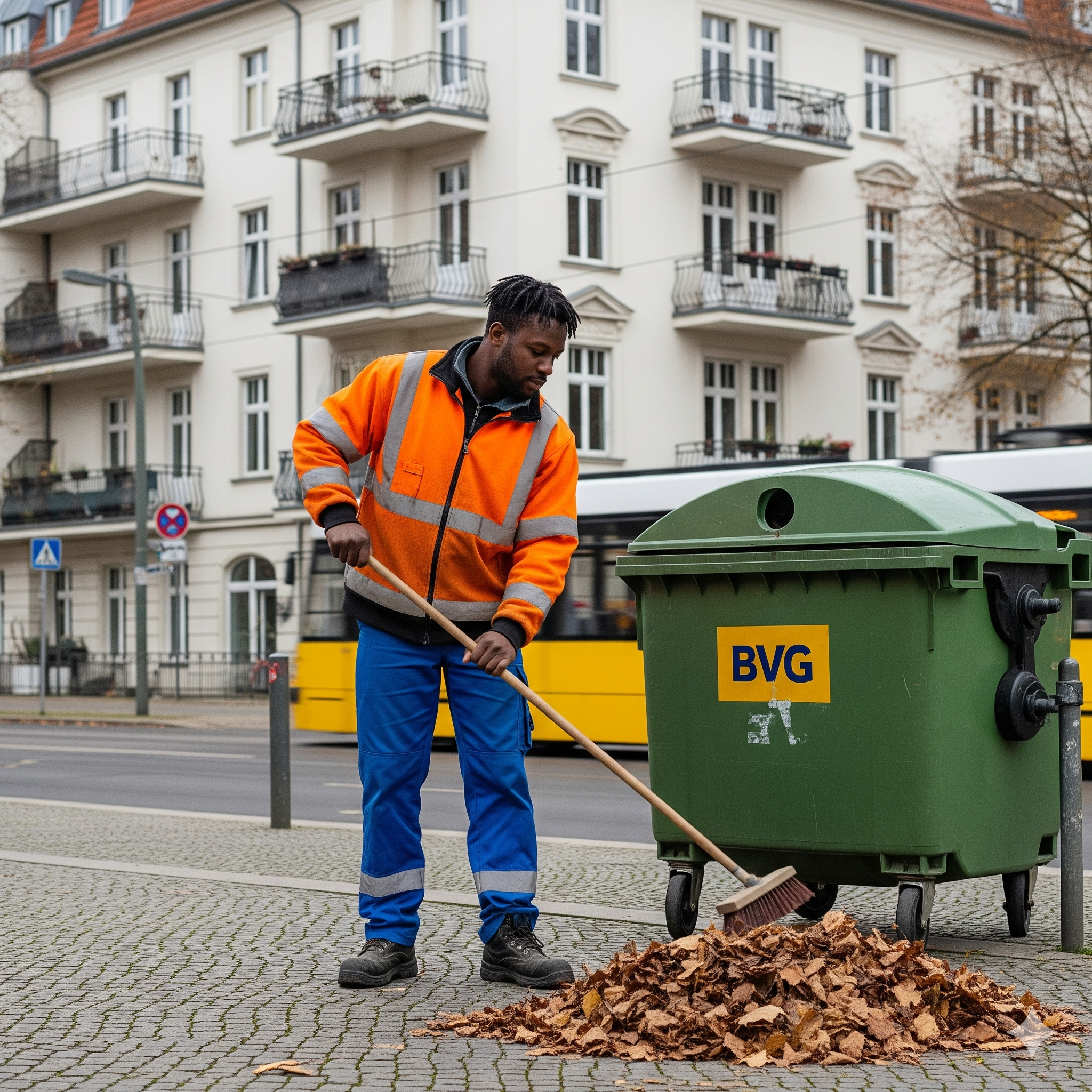
While Germany’s immigration policies have historically favored skilled and highly educated workers, recent changes and labor shortages have opened up limited but real opportunities for foreigners seeking unskilled worker jobs with visa sponsorships. It’s a challenging but achievable path, particularly in certain high-demand sectors.
20 high paying jobs for Africans in Germany with free visa sponsorship
What is an “Unskilled Worker” in the German Context?
In Germany, an “unskilled worker” (often referred to as a “low-skilled” or “semi-skilled” worker) is a person who does not have a formal university degree or a recognized vocational qualification. These jobs typically involve manual labor or routine tasks that are crucial to the economy, such as:
- Logistics and Warehousing: This is one of the most promising sectors. With the boom in e-commerce, companies like Amazon and DHL are constantly in need of warehouse workers, delivery drivers, and order pickers.
- Hospitality: This includes roles like kitchen helpers, cleaning staff, and hotel housekeepers, especially in major tourist cities like Berlin, Munich, and Hamburg.
- Construction: Construction laborers are in high demand to support ongoing infrastructure and building projects.
- Agriculture: Seasonal agricultural work, such as harvesting fruits and vegetables, is a key sector for temporary unskilled workers.
- Cleaning Services: Professional cleaners are needed in a variety of settings, from office buildings to public spaces.
€45,000 Cleaner Jobs in Germany for Foreigners with Visa Sponsorship
The Path to a Visa Sponsorship
The traditional “skilled worker” visa route is not available for unskilled workers. Instead, foreign nationals must rely on a few specific pathways. The key is to secure a job offer from a German employer who is willing to navigate the visa process for you.
The Opportunity Card (Chancenkarte)
This is a game-changer for many prospective workers. The Opportunity Card is a new immigration pathway designed to help qualified individuals come to Germany and look for a job. While it’s not exclusively for unskilled workers, it can be used by individuals who don’t yet have a job offer but meet a certain points-based system.
How it works:
You are awarded points for qualifications such as a university degree or at least two years of vocational training from your home country. This card allows you to stay in Germany for up to one year to find employment, and even work part-time while you search. Once you have a full-time job offer, you can then apply for a full work permit.
The “Western Balkans Regulation” (Westbalkanregelung)
This is a specific and highly effective pathway for citizens of Albania, Bosnia and Herzegovina, Kosovo, North Macedonia, Montenegro, and Serbia. The regulation makes it easier for citizens of these countries to find jobs in Germany, regardless of their qualifications, and secure a work visa.
Direct Sponsorship from Employers
This is the most common path, albeit challenging. Certain German companies, particularly large multinational corporations and temp agencies, are actively seeking foreign workers to fill labor gaps. They are often willing to handle the visa sponsorship process to get a reliable workforce.
What employers are looking for:
- Reliability and a Strong Work Ethic: Employers want trustworthy and hard-working individuals.
- Basic German Language Skills: While some international companies may operate in English, a basic grasp of German (at least A1 or A2 level) is often a huge advantage for daily life and work communication.
- Willingness to Learn: The ability to be trained on the job is a critical skill for these roles.
Key Steps to a Successful Job Search
- Search on the Right Platforms: Don’t just rely on general job boards. Use portals like Indeed.de, StepStone.de, and the official German Federal Employment Agency website, Arbeitsagentur.de.
- Contact Staffing and Recruitment Agencies: Many German temporary staffing agencies (Zeitarbeit) specialize in placing foreign workers in unskilled jobs. They often have direct contacts with companies and can help with the application and visa process.
- Create a German-Style CV: A German CV (Lebenslauf) is typically concise (1-2 pages) and often includes a professional photo.
- Target High-Demand Industries: Focus your search on logistics, construction, and hospitality, as these are the sectors with the most significant labor shortages.